



Two predatory mites, one box: broad-spectrum control of spider mites, thrips, and whitefly
Box of 50 ULTI-MITE foil slow-release sachets (25 Spical + 25 Swirski) Neoseiulus californicus + Amblyseius swirskii
Why two types of predator bugs are better than one
Common issues like thrip flare-ups rarely arrive alone. One tends to show up right as another pest, like spider mites, starts damaging the leaves, with whitefly already waiting in the wings. This combo pairs two of the most trusted predatory mites in biological control, so you are protected on several fronts from a single hang-and-go application:
-
Spical (Neoseiulus californicus) is your dedicated spider mite hunter, and a tough, heat-tolerant one at that.
-
Swirski (Amblyseius swirskii) targets thrips and whitefly in warm conditions.
It is a clean, spray-free approach: no residues, no re-entry interval, and nothing harmful to you, your family, your pets, or your pollinators.
Who can benefit from using these
These mites are built for protected and indoor growing. Where they fit best:
-
Indoor houseplants: a discreet sachet on the plant replaces messy sprays, with nothing toxic in your living space or around kids and pets.
-
Greenhouse vegetables and ornamentals: the environment these mites were made for, widely used on peppers, cucumbers, eggplant, melons, and flowers like roses and gerbera.
-
Strawberries, indoor and greenhouse: a proven, residue-free program for a high-value crop.
-
Cannabis: covers the exact pest lineup that plagues a grow and stays clean enough to run right through flower and harvest.
-
Young starts and transplants: protect seedlings and plugs under cover so pests do not ride them out into the wider crop.
-
Interior and public plantings: safe and discreet for hotel atriums, mall plantings, office lobbies, and plant-filled restaurants and cafes, where spraying around the public is not an option.
What each mite controls
Spical (Neoseiulus californicus): the spider mite hunter
A robust, adaptable predator that tolerates warmth, drier air, and pesticide residues better than many predatory mites, and survives on pollen when prey is scarce so it establishes early. Controls:
-
Two-spotted spider mite
-
Fruit spider mite
-
Citrus red mite and European red mite
-
Begonia mite
-
Broad mite and hemp russet mite
-
Cyclamen mite and other tarsonemid mites
-
Thrips (supplementary)
Swirski (Amblyseius swirskii): the thrips and whitefly predator
A fast-reproducing, warm-climate generalist that establishes quickly and feeds voraciously; a single adult can eat several thrips larvae or many whitefly eggs in a day. Controls:
-
Young thrips larvae (including western flower thrips and onion thrips)
-
Eggs and larvae of whitefly
-
Broad mites and russet mites
-
Some spider mite stages (supplementary)
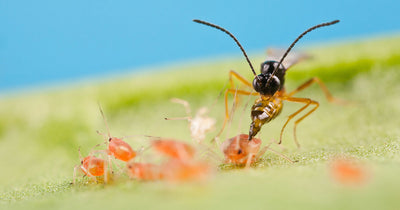
Both mites hunt across all life stages, piercing prey and consuming the contents. The adults are tiny, about 0.3 to 0.6 mm and tan-colored, so they are hard to see with the naked eye. For best results, introduce preventively or at the very first sign of pests.
The ULTI-MITE foil advantage
Each sachet is a tiny breeding factory: the mites reproduce inside and emerge steadily through a built-in exit hole over about 4 to 5 weeks, giving you overlapping generations of predators from one sachet. The specially developed foil holds the moisture the colony needs, so it keeps performing in dry grow-room air or high humidity where ordinary paper sachets deteriorate, and in trials it has delivered up to three times better performance.
Ideal conditions
-
Spical: most effective from about 55°F to 90°F (13°C to 32°C), staying active a little lower than Swirski.
-
Swirski: warm-loving, most effective from about 68°F to 90°F (20°C to 32°C) and inactive below roughly 64°F (18°C).
Both prefer humidity above 60%, though the moisture-retaining foil sachet lets them keep working in drier or more humid air than loose mites would tolerate. Because they need sustained warmth, they perform best in sheltered, protected, or indoor spaces rather than an exposed outdoor garden, and are best used preventively or on light, early pest pressure.
A couple of tips:
-
If your space runs very dry in winter, grouping plants or running a humidifier nearby helps the mites establish.
-
Pair with beneficial nematodes if you also fight fungus gnats, for a complete top-to-soil defense.
How to apply
Hang one of each type together, a Spical and a Swirski, per plant. Once plants grow together and touch, switch to one of each per square meter instead (about one per 10 square feet). Place them as soon as you suspect pests, and refresh every 4 to 5 weeks while pests are active.
How much, by scale
-
Houseplants: one of each per plant, or 2 to 3 of each on a large specimen. One set can cover a few small plants grouped close enough to touch.
-
Greenhouses, patios, and containers: one of each per square meter (about one per 10 square feet), keeping any outdoor use to warm, sheltered spots.
-
Cannabis: one of each per plant in a tent. At room scale, use one of each per square meter of touching canopy; larger facilities scale up to roughly 1,600 sachets per acre (about 4,000 per hectare). Reach out ahead for volume orders.
Placement and handling
-
Hang on the middle stems and leaves, out of direct sun and away from heat such as heating pipes or HID and LED lights, spaced toward problem areas.
-
Do not open or enlarge the exit hole. Handle only by the cardboard strip, and do not squeeze the sachet, as there are living mites inside.
-
Little or no movement on the outside is normal; the mites emerge on their own.

Good to know
-
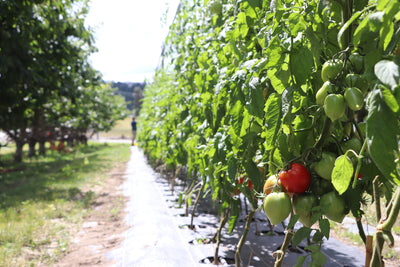
Not for tomato crops. Both mites struggle to move and hunt on the sticky, hairy foliage of tomatoes. Ask us about alternatives suited to that surface.
-
Best for prevention and light pressure. For a heavy spider mite outbreak with visible webbing, Spical tends to avoid the webbing, so a dedicated spider mite predator will clean it up faster. Reach out and we will point you to the right one.
-
Use together, but not with every mite. Spical and Swirski are made to work together and can share a plant. Swirski should not share a plant with certain other generalist predatory mites (such as cucumeris, andersoni, limonicus, or montdorensis), which can prey on one another. It does pair well with Orius and whitefly parasitoids.
-
It is a program, not a one-time fix. Sequential releases build and hold the population while remaining pest eggs continue to hatch.
-
Protect your investment. Avoid spraying pesticides, oils, or soaps just before or after release unless compatibility has been confirmed.
Fresh, living products: please read before you order
We import most biological controls fresh so that you receive active, viable beneficial insects, mites, and nematodes. Because these are living products with a limited shelf life, we do not keep most biologicals stocked in-house. Apply within 1 to 2 days of arrival, and if you must hold them briefly, keep them cool and dark and never refrigerate or freeze them.
Please inspect your package and product immediately upon arrival, before release. If you have any concerns about condition or viability, contact us before releasing at admin@optimizeorganics.ca with your order number and clear photos of the package and product. Once beneficials have been released, it becomes much more difficult for us to assess their condition on arrival.
Ordering and shipping
Orders for biological pest controls must be placed before Wednesdays at 11:30 AM PST to be shipped the following week.
Questions about which beneficial fits your crop, climate, or pest? Reach out at admin@optimizeorganics.ca and we will help you create the best biological pest control plan for your situation.