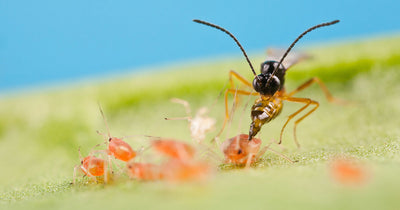




Ercal - Parasitic wasp Eretmocerus Eremicus
50 cardboard strips, hatching 15,000 parasitic wasps.
*ORDERS FOR BIOLOGICAL PEST CONTROLS MUST BE PLACED BEFORE WEDNESDAYS 11:30 AM PST TO BE SHIPPED THE FOLLOWING WEEK*
Each box contains cardboard strips with 5 cards each, wrapped in plastic, with parasitized whitefly pupae
Adult female parasitic wasps parasitize the second and third larval stages of the whitefly. Additionally, host feeding also occurs.
Use Ercal for biological control of:
- Greenhouse whitefly
- Tobacco whitefly in the second and third larval stages.
- Use Ercal preventatively and at the first sign of pest presence.
Application Instruction
- Carefully open the package inside the greenhouse
- Bend and tear off the strips opposite the mounting hole
- Suspend the cards in the crop, if possible, approximately 75 cm under the plant head
- Avoid direct sunlight
- Do not touch the pupae
-
Optimal working conditions for Ercal require a minimum 24-hour average greenhouse temperature of at least 20°C/68°F
What to Expect Upon Arrival
This product arrives on cardboard strips/cards containing parasitized whitefly pupae, not as loose flying wasps. Adult Eretmocerus emerge after the cards are hung in the crop. Handle cards carefully and avoid touching the pupae.
Important Notes
We import most biological controls fresh to help ensure customers receive active, viable beneficial insects, mites, and nematodes. Because these are living products with limited shelf life, we do not keep most biologicals stocked in-house.
Please inspect your package and product immediately upon arrival, before release. If you have any concerns about condition or viability, contact us before releasing at admin@optimizeorganics.ca with your order number and clear photos of the package and product. Once beneficials have been released, it becomes much more difficult for us to assess their condition on arrival.
Biological pest control is rarely a one-and-done release. In most active pest situations, sequential releases are needed to build and maintain beneficial populations while pest eggs continue to hatch and existing pest pressure is reduced.
Avoid spraying pesticides, oils, soaps, or other residues immediately before or after release unless compatibility has been confirmed, as these may harm beneficials.