



SWIRSKI-MITE 50,000 - Predatory Mite Amblyseius Swirski
*ORDERS FOR BIOLOGICAL PEST CONTROLS MUST BE PLACED BEFORE WEDNESDAYS AT 11:30 AM PST TO BE SHIPPED THE FOLLOWING WEEK*
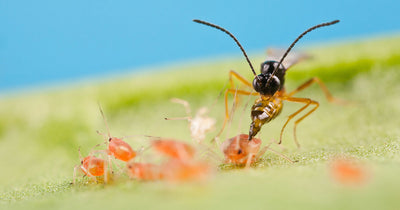
Adult predatory mites search for their prey or wait for it to pass by and subsequently feed on it.
Use SWIRSKI-MITE for biological pest control of:
- Young larvae of various thrips species
- Eggs and larvae of whitefly
- Broad mites
- Use SWIRSKI-MITE as a preventive method, and when the first signs of a pest appear
Application Instructions
- Turn and rotate the bottle gently before use
- Press in the center of the cap to open the dosage hole
- Sprinkle material on leaves
- Choose at least 4,000 introduction points per hectare, evenly distributed over the total surface
- Use (Mini)-Air(o)bug if necessary for the mechanical distribution of Swirski-Mite
Precaution: application of this product can cause sensitization or allergic reactions; we therefore advise taking the necessary precautions.
What to Expect Upon Arrival
This product arrives as loose predatory mites mixed in carrier material. The mites are extremely small and may look like tiny moving specks, so visible activity can be difficult to confirm without close inspection or magnification. Some slower movement after cool transit can be normal.
Important Notes
We import most biological controls fresh to help ensure customers receive active, viable beneficial insects, mites, and nematodes. Because these are living products with limited shelf life, we do not keep most biologicals stocked in-house.
Please inspect your package and product immediately upon arrival, before release. If you have any concerns about condition or viability, contact us before releasing at admin@optimizeorganics.ca with your order number and clear photos of the package and product. Once beneficials have been released, it becomes much more difficult for us to assess their condition on arrival.
Biological pest control is rarely a one-and-done release. In most active pest situations, sequential releases are needed to build and maintain beneficial populations while pest eggs continue to hatch and existing pest pressure is reduced.
Avoid spraying pesticides, oils, soaps, or other residues immediately before or after release unless compatibility has been confirmed, as these may harm beneficials.