



Parasitic Wasp - Muscidifurax Raptorellus
*ORDERS FOR MUSCIDIFURAX RAPTORELLUS MUST BE PLACED BEFORE TUESDAY, 11:30 AM PST AND CARRIES A LEAD TIME OF 14 BUSINESS DAYS*
Biopar 15,000: 400 ml cardboard tube, containing parasitized fly pupae, from which 15,000 parasitic wasps hatch.
Biopar XL 150,000: 3.3L cardboard tube, containing parasitized fly pupae, from which 150,000 parasitic wasps hatch.
Mode of Action
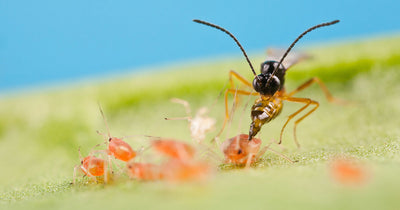
When the adult parasitic wasps emerge from the pupal shells, they will start searching for fly pupae to parasitize. After parasitism, wasps of the new generation can be expected in approximately 2-3 weeks.
Target Pests
Stable Flies (Musca domestica and Fannia spp.) and biting stable flies (Stomoxys spp.) on dry manure.
Application Instructions
- Distribute the material in heaps near the places where the flies pupate and cover with 5-10 cm of straw
- Make sure the material is distributed on dry places or on drier manure
- Place close to stable walls or edges, or in furrows
- Start the introduction as soon as flies can be expected
Dosage
The information given below is merely indicative. Tailored advice requires detailed info on local factors such as (climatic) conditions and the level of infestation.
- Cattle: 200-400/animal
- Calves: 800-1,000/animal
- Horses: 200-500/animal
- Pigs: 200-500/animal
- Sheep and goats: 400-800/animal
- Chicken: 2-10/animal
Repeat introductions according to tailored advice.
Environmental conditions
Only store if necessary, at 10-15°C/50-59°F for 1-2 days in the dark
Efficacy is reduced at temperatures below 15°C/59°F and above 38°C/ 100°F.
What to Expect Upon Arrival
This product may not show visible flying wasps immediately on arrival. Muscidifurax raptorellus emerge from pupal material and then search for fly pupae to parasitize. Distribute the material near fly breeding sites such as dry bedding, manure edges, or other target areas.
Important Notes
We import most biological controls fresh to help ensure customers receive active, viable beneficial insects, mites, and nematodes. Because these are living products with limited shelf life, we do not keep most biologicals stocked in-house.
Please inspect your package and product immediately upon arrival, before release. If you have any concerns about condition or viability, contact us before releasing at admin@optimizeorganics.ca with your order number and clear photos of the package and product. Once beneficials have been released, it becomes much more difficult for us to assess their condition on arrival.
Biological pest control is rarely a one-and-done release. In most active pest situations, sequential releases are needed to build and maintain beneficial populations while pest eggs continue to hatch and existing pest pressure is reduced.
Avoid spraying pesticides, oils, soaps, or other residues immediately before or after release unless compatibility has been confirmed, as these may harm beneficials.