



CHRYSOPA - 100,000 Green Lacewing Eggs
*ORDERS FOR GREEN LACEWING MUST BE PLACED BEFORE TUESDAY AT 11:30 AM PST TO BE SHIPPED THE FOLLOWING WEEK*
90ml cylinder with shaker lid containing 100,000 eggs of Chrysoperla Carnea.
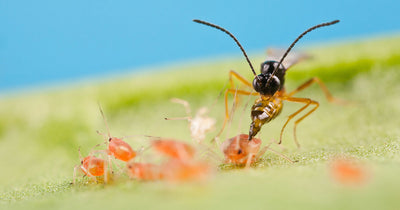
After emerging from the eggs, larvae of the lacewing attack prey and suck their body fluids. The remainder of the dead pest insect shrivels up completely and is difficult to find. Larvae are mainly active and feeding at night and hiding during the day.
Use CHRYSOPA EGGS for biological pest control of primarily:
- Aphids
- Echinothrips
- Mealybugs
Application Instructions
- Apply evenly on leaves. Avoid clusters of eggs.
- For curative treatments, apply higher rates of eggs and/or extra larvae directly in the heavily affected areas.
By using an earlier phase of lacewing, growers can now tackle hotspots of harmful pests more effectively and economically. While the larval product is supplied in a 6-litre bucket containing 10,000 larvae, the eggs are delivered in a 90 ml canister containing 100,000 eggs, so there is a huge gain in terms of transport volume and the supply chain is more sustainable. It is possible for you to use many more beneficials and thus gain better control of pests, with a better return on investment. Chrysopa-E is also suitable for long-term preventive use due to lower costs
What to Expect Upon Arrival
This product arrives as green lacewing eggs. Eggs do not move, so visible activity is not expected on arrival. Larvae hatch after placement and are the active feeding stage.
Important Notes
We import most biological controls fresh to help ensure customers receive active, viable beneficial insects, mites, and nematodes. Because these are living products with limited shelf life, we do not keep most biologicals stocked in-house.
Please inspect your package and product immediately upon arrival, before release. If you have any concerns about condition or viability, contact us before releasing at admin@optimizeorganics.ca with your order number and clear photos of the package and product. Once beneficials have been released, it becomes much more difficult for us to assess their condition on arrival.
Biological pest control is rarely a one-and-done release. In most active pest situations, sequential releases are needed to build and maintain beneficial populations while pest eggs continue to hatch and existing pest pressure is reduced.
Avoid spraying pesticides, oils, soaps, or other residues immediately before or after release unless compatibility has been confirmed, as these may harm beneficials.